
 English
 Views: 45127 Author: Phoenix Publish Time: 2023-09-12 Origin: Phoenix Breeding Equipment
Backyard poultry keepers have sure become popular lately! With the demand for our eggs increasing and spring right around the corner, it’s only logical that we are looking forward to increased egg production very soon. If you have had backyard chickens or ducks for a few years now, you may have occasionally had problems with thin-shelled eggs. Let’s talk about the potential causes for thin-shelled eggs and some tricks to help prevent this issue in the future.
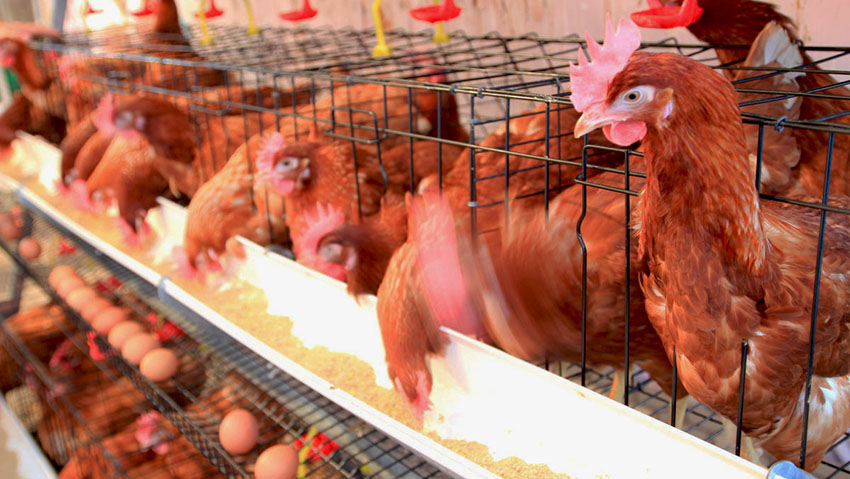
There are many reasons for layer chicken producing thin-shell eggs, such as being scared, lack of calcium, poor ventilation in the house, and infrequent disinfection. We can solve this problem by adding calcium to the feed, ventilating the house, and regular disinfection.
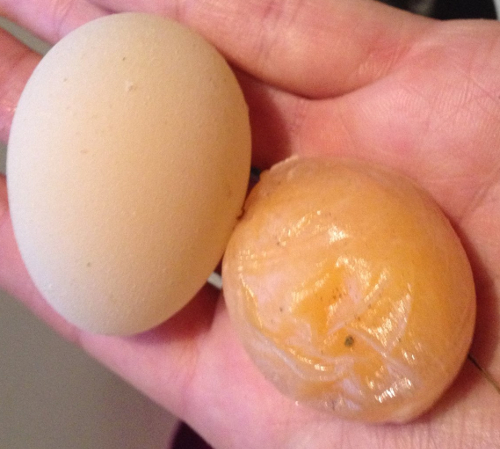
If you have chickens, chances are you’ve seen a soft-shell egg. There are several reasons why hens can lay soft-shelled eggs, and you should not worry at all if it happens once.
But why do chickens lay soft shell eggs? How can you prevent it from happening?
Soft eggs, also called shell-less eggs, soft-shell eggs, partially shelled eggs, or rubber eggs,Soft-shell eggs are normal eggs with a very thin shell or no shell at all. The membrane keeps the yolk and albumen together when the shell is missing. The thin-shelled eggs are very fragile and sometimes crack in the chicken’s body, damaging the reproductive tract, which can be fatal.
The thin calcium-deficient shells are easily cracked with your fingers. When there is no shell, the eggs feel like little water balloons and usually don’t survive long. You can find them broken in the nesting boxes or at random places in the run and coop.
What Causes a Hen to Lay a Soft Shell Egg?
Soft shell eggs are caused by quirks in the eggshell-building process. It takes about 20 hours for a shell to develop in the shell gland. If there is a lack of calcium, a shell-gland problem, or the egg leaves the gland too quickly. The result is a soft-shelled egg.
In total, it takes about 24 hours to form a whole egg. Chickens have many tiny yolks in their ovary, ready to develop.
When a yolk starts its journey, it passes through the magnum, where the egg whites are developed. Then they move to the isthmus, where the shell membrane forms. The eggshell is created when they arrive in the shell gland or uterus. From that point, it takes about twenty hours before the egg is laid through the vent.
In the case of a soft-shelled egg, everything in the process goes well up until the shell formation in the shell gland.
| Reason | How to Remedy |
|---|---|
| Calcium deficiency | Provide a source of calcium, such as oyster shells or crushed eggshells. |
| Vitamin D deficiency | Provide a source of vitamin D, such as sunlight or a supplement. |
| Stress | Reduce stress in the chicken coop by providing a quiet, safe environment. |
| Illness | Treat any underlying illness. |
| Age | A young birds first eggs may have missing or soft shells. Older hens may lay eggs with no shells as part of the natural ageing process. |
| Genetics | Some breeds of chickens are more prone to laying eggs with no shells. |
| Disease | Some diseases, such as Marek's disease, can cause chickens to lay eggs with no shells. Egg Drop Syndrome is another cause. |
| Parasites | Some parasites, such as coccidiosis, can cause chickens to lay eggs with no shells. |
| Medications | Some medications, such as antibiotics, can cause chickens to lay eggs with no shells. |
| Diet | A diet that is too high in protein or too low in calcium can cause chickens to lay eggs with no shells. |
| Moulting | During moulting, chickens lose their feathers and stop laying eggs. Some chickens may lay eggs with no shells during this time. |
| Egg binding | Egg binding is a condition that occurs when a chicken is unable to lay an egg. This can cause the egg to become stuck in the chicken's oviduct and can lead to the chicken laying an egg with no shell. |
| Too much ACV or Apple cider Vinegar in the water | ACV is an occasional use supplement. |
| Unbalanced feed ration or Nutritional deficiencies. | Too high a protein level can produce soft shelled eggs |
If it is one bird laying a soft or thin shelled egg then it is more likely that there is something wrong with the one bird. This happens when you get one soft shelled egg at a time.
If it is more than one hen laying soft shelled eggs then it is more likely the diet, a disease or conditions affecting the whole flock. This is when you get many soft eggs at a time.
The process of egg shell formation takes up to 19 hours and is characterised by the secretion of an organic matrix of glycoproteins and mucopolysaccharides which becomes calcified to form the egg shell. This process can occasionally get upset leading to egg problems.
Below: Soft-shelled eggs are easily damaged as they are laid.
Bonus Question: Can You Eat a Soft Shell Egg?
A question I’m frequently asked is whether soft eggs can be eaten. Honestly, when I come across an egg with just the membrane, if it’s intact, I give it to my pigs. One of the purposes of the shell is to keep bacteria and other pathogens out of the egg. Without it, there’s a chance it’s been invaded by germs I don’t want to eat. So personally, I don’t eat them.

Summary
So, soft eggs can be disturbing but don’t panic. As you can see there can be a lot of possible reasons, some of which are no big deal. The ones that are a big deal you can likely identify and remedy. There are a lot of ways to fix the problem, and it’s not necessarily a sign your flock is unhealthy.
Hope this article was helpful and thanks for reading!
If you still have questions, you can ask our online sales or send email to linda@goldphoenixa.com. You will receive our reply in 24 hours.
If you are looking for quality poultry breeding equipment visit PHOENIX - they will cater to all your poultry farming needs.
For more poultry equipment products visit our directory.
 Phoenix Breeding Equipment Co., Ltdis a professional manufacturer and exporter that is concerned with the design, development and production of livestock breeding equipment. which can provide all kinds of poultry farm equipment, such as automatic feeding and drinking line, poultry nipple drinker, rabbit nipple drinker, poultry feeder, poultry drinkier, ventilation fan. Cooling pad , egg incubator,pvc pipe ,ss pipe etc. Check out our site to find the latest in poultry equipment. We hope you’ll fine the right products for you,, and how it allows you to scale up to the next level when you’re ready.
Whatsapp/Wechat:+86 18233772617
Email:linda@goldphoenixa.com