
 English
 Views: 478985 Author: Phoenix Publish Time: 2023-09-14 Origin: Phoenix Breeding Equipment
If you are looking for an alternative, economically viable good source of income.
And a steady source of nutritious and tasty eggs including meat then you might as well consider raising ducks in your backyards. Or even as a commercial venture Though chickens have proven to be a very good source of farm fresh eggs and meat, you cannot take that away from them.
If you really want to have an expansion and alternative to chickens then duke is a good option due to its hardiness.Ducks can serve as a source of multiple streams of income and a good source of eggs and meat just like chickens.Duck farming has supplied meat and eggs to many poor families, and not just supplying them with meat and eggs it has lifted a lot of them out of poverty.
Especially those from the rural community. I have seen families enjoying extra sources of income from engaging in just backyard duck farming.This highly profitable farming venture if only can be re-invented and pursued like chicken farming, it will lift a lot of families out of poverty.

When it comes to year-round production, ducks have the upper hand. Some breeds of ducks don’t lay year-round, but the ones that do will lay on a regular basis and for more years than a chicken. They are less sensitive to environmental factors and will often lay even with minimal natural light. Keep in mind that duck eggs will be larger than chicken eggs. That means they will contain more fat, protein, cholesterol, and omega-3's. The extra-large eggs may also be harder to bake with in recipes. However, many people who have an allergy to chicken eggs can eat duck eggs just fine!
Ducks prefer a free-range lifestyle and will happily forage for a majority of their own food. While they can be raised in a confined setting, they are much easier to care for and manage when they live a free-range lifestyle. You will still need to provide housing for the ducks to return to at night for safety. However, if they spend most of their day foraging, their housing will stay a lot cleaner. Free-range ducks will often forage for a majority of their own diet, making them self-sufficient and low maintenance.
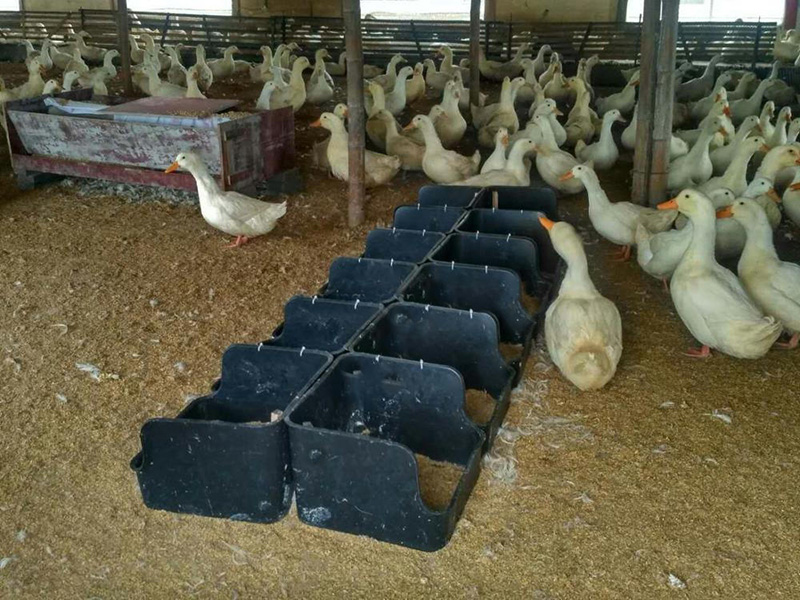
Ducks in general are easier to control than chickens. They are not quite as active as some chicken breeds and can be herded or controlled easier than a flock of chickens. In some regions of the world, ducks are routinely herded to different foraging locations. Being able to herd your ducks makes it a lot easier to get them back into their coop after free-ranging.
One reason why ducks are easier to pasture raise is because they aren’t as destructive as chickens. Chickens will dig up roots and have a blast turning a green pasture into a barren waste. They need a more regular pasture rotation system than ducks. Ducks don’t do as much digging. They prefer grazing. However, they will often dig small holes with their bills in search of bugs. Ducks are also better at pest control than chickens.
Ducks in general are easier to control than chickens. They are not quite as active as some chicken breeds and can be herded or controlled easier than a flock of chickens. In some regions of the world, ducks are routinely herded to different foraging locations. Being able to herd your ducks makes it a lot easier to get them back into their coop after free-ranging.
Chickens are known to be noisier than ducks. While each species does make some noise, the level of noise varies. Roosters are notoriously louder than drakes (male ducks) and hens can get pretty loud when they sing their ‘egg song’.
Reasons Why Duck Farming Is a Good Alternative to Chicken Farming
·Ducks are incredibly hardy and more resistance to disease than chickens. And can grow and survive more in a cold, wet and marshy environment than chickens.
·Ducks also have a comparative advantage over chickens in terms of surviving floods. Chickens can be easily swept away. While ducks will just simple float on the waters and survive the flooded area until the situation subsided.
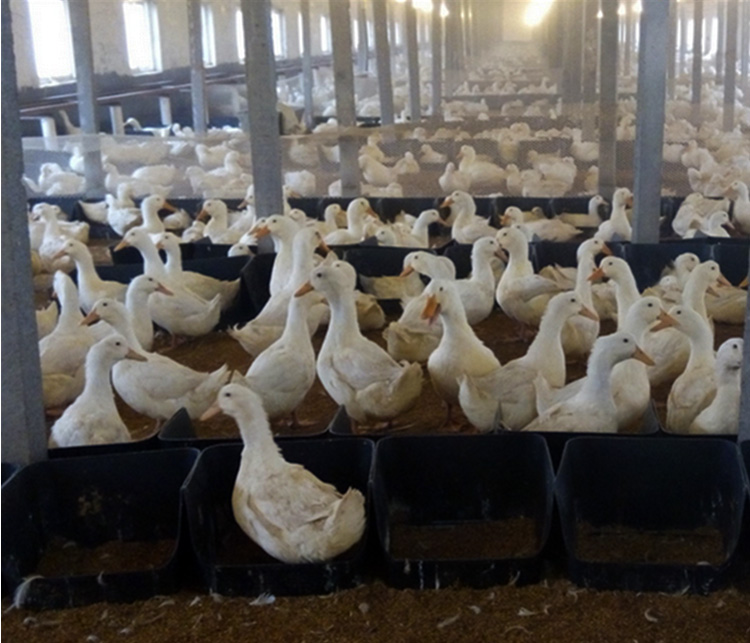
·Comparatively, ducks have more laying period than chickens. i.e their laying periods are longer than that of chickens.
·Considering the hardiness, the foraging ability, and adaptability of ducks to grow and flourish in a free-range environment. These attributes stands them out. And have succeeded in making these birds help a lot of families have a good source of livelihood and earn a reasonable amount of income.
·Ducks lay their eggs mostly in the early hours of the morning and at night. Thereby affording you the opportunity to do and achieve other routines for the day and at the same time keeping the ducks safe and well-fed.
·Ducks can also be used in controlling other harmful insects in your farm and as exterminators of snails, fleas, etc. they can also be used to control the population of mosquitoes larvae as they feed on them.
·Ducks have a low mortality rate compared to chickens. Due to their hardy nature. This gives the farmer an ample opportunity to increase his revenue base and enhance profitability.
Generally more people consume chicken than duck, but the two can live quite happily together, make water available for the ducks in a pool that can be emptied every couple of days, they make the water foul really quickly. Chickens can be supplied fresh water from a nipple.

Ducks tend to be quieter and more garden-friendly, as they tend to target bugs and pests rather than the plants themselves. (This is one of the biggest reasons we’ve considered ducks, TBH, next to noise. We garden extensively.)
Ducks tend to be more quiet and won’t bother potentially sensitive neighbors.
One of the biggest differences when it comes to raising chickens or ducks is their water needs! Both chickens and ducks need to have access to clean drinking water. With chickens, that’s all they need. With ducks, they need a little more water to keep them healthy and happy. At a minimum, ducks need to be able to dunk their whole head into water on a daily basis in order to clear their nasal passages. They should also have access to water that they can bath in on a regular basis.
Ducks are much happier when they have access to a water source that they can bath and play in, not just drink from. Keeping water clean for ducks is a lot harder than for chickens since ducks actually get in their water. Having a permanent water source, like a pond, lake, or river is ideal for raising ducks. However, a man-made water source will also do as long as you don’t mind cleaning it on a daily basis!
Raising chickens or ducks (or both) can be a fun and educational experience! Each species has its perks, but you will have to take into consideration the subtle differences in care. When choosing one over the other, consider which species best fits your backyard or homestead!
If you are looking for quality poultry breeding equipment visit PHOENIX - they will cater to all your poultry farming needs.
For more poultry equipment products visit our directory.
 Phoenix Breeding Equipment Co., Ltdis a professional manufacturer and exporter that is concerned with the design, development and production of livestock breeding equipment. which can provide all kinds of poultry farm equipment, such as automatic feeding and drinking line, poultry nipple drinker, rabbit nipple drinker, poultry feeder, poultry drinkier, ventilation fan. Cooling pad , egg incubator,pvc pipe ,ss pipe etc. Check out our site to find the latest in poultry equipment. We hope you’ll fine the right products for you,, and how it allows you to scale up to the next level when you’re ready.
Whatsapp/Wechat:+86 18233772617
Email:linda@goldphoenixa.com