
 English
 Views: 8976 Author: Phoenix Publish Time: 2023-03-12 Origin: Phoenix Breeding Equipment
In recent years, the poultry husbandry industry have been developing continuously, breeding structure has been continuously adjusted, and the livestock and poultry industry has also been making continuous progress. Many farmers rely on the large-scale laying hen farming industry to embark on the road to wealth. However, in the long-term breeding, farmers do not pay attention to learning advanced management concepts and management methods.
The traditional breeding mode has caused a high incidence of diseases and serious environmental pollution, which has greatly restricted the healthy and sustainable development of the laying hen breeding industry. Coupled with the significant increase in labor costs and feed costs, the economic profit of layer husbandry farming is showing a gradual decline. Today I will share with you several aspects that can reduce costs and increase efficiency.

1 Select the right breeder
There are also large differences in the laying performance of different breeds of laying hens. Therefore, selecting the appropriate breed of laying hens is the basis for improving the production level of laying hens. The introduction from breeding chicken farms with high disease purification and no specific pathogens means that the breeding chickens have strong safety and greatly reduce the risk of later disease. Therefore, it is necessary to choose a breeding chicken farm that has obtained a livestock and poultry production and operation license , to ensure the quality of breeders.
2. Strictly implement the epidemic prevention and immunization system
Establish an epidemic prevention and immunization system and strictly implement it. Before entering the house, breeder chickens should be carefully cleaned, rinsed, and thoroughly disinfected. After entering the house, the feces should be removed in time, disinfected regularly, and rodents and flies should be eliminated regularly. Sick and dead chickens should be burned in time to prevent infectious diseases. Environmental hygiene should also be maintained around the chicken coopand chicken cages, regular disinfection.
The laying hens are vaccinated before laying to prevent diseases during the laying period. Choose safe and effective vaccines from reliable sources, and adopt scientific and appropriate vaccination methods to prevent other reactions such as stress in laying hens. After vaccination, the vaccination effect should be observed at any time to do a good job in laying hen immunization.

3. Strengthen management and scientific feeding
Every aspect of layer feeding and management directly or indirectly affects the production level of layer. Therefore, the management of each link must be strengthened. Chicken coops and chicken cages must be kept clean and hygienic. In addition to doing a good job in epidemic prevention and immunization, they must also ensure that the temperature and humidity are suitable. Be sure to do a good job in heat protection and cold protection. accumulation of gas.
Guarantee the nutrition of layers
When buying feed, choose feed with appropriate nutritional ratio to ensure the protein intake. At the same time, the amount of minerals and vitamins should be in the appropriate range, and P/Ca should be appropriate to avoid nutritional diseases caused by insufficient or unbalanced nutritional intake of laying hens,affect egg production or eggshell quality.

Feed in a reasonable way
Adjust the feeding amount in time according to the egg production. In winter, the protein intake of layer should be increased to ensure egg production, and bean cakes can be added; while feeding, sufficient hygienic and safe water should be provided for laying hens to drink.
4. Provide scientific light management
Illumination greatly affects the laying quantity of layers. Appropriate supplementary light can stimulate the secretion of sex hormones in laying hens and maintain a sustained and balanced egg production. Install light bulbs every 3 m in the chicken house (chicken cage), adjust accordingly according to the specific conditions of the chicken house, set up the lighting program, and do a good job in the daily maintenance of the light bulbs. At the same time, the light will also regulate and promote the sexual maturity of the reserve hens, and the light stimulation can be used to advance the laying time of the layers to improve the production capacity of the laying hens.
5. Strengthen the management of laying hens
Generally speaking, laying hens is sensitive and timid, and even slight obvious changes will easily cause them to perceive or even have a stress response, and the occurrence of stress will usually reduce egg production. Therefore, the management of laying hens should be strengthened to avoid causing a stress response in laying hens.

During production, the invasion of foreign animals should be prevented; after the working procedures and staff are determined, try not to change them arbitrarily; the noise inside and outside the house should not be too loud; complete supporting hardware facilities, so as to prevent the sudden interruption of water and electricity supply from causing stress to the laying hens; when changing the feed formula during the growth process of laying hens, it must be changed gradually, and carried out in small quantities and many times to prevent stress reactions in laying hens and affect egg production.
6. Rational use of additives
According to the physiological state of laying hens, it is also necessary to use additives in an appropriate amount during the laying period. Feed additives commonly used in production include "bile acid" and so on. Proven safe and effective egg production additives to promote laying of laying hens smoothly, increase egg production, and improve the production level of laying hens.
With the increase in the number of laying hens and the increase in labor costs, the profit of laying hens is getting lower and lower. Raising good laying hens has become the only choice to improve the efficiency of laying hens. Therefore, all farmers must pay attention to daily management , reduce unnecessary work.
Now that we know how to manage chicken farms, farmers can carefully develop the chicken industry by following the above ten points to make the industry more and more perfect.
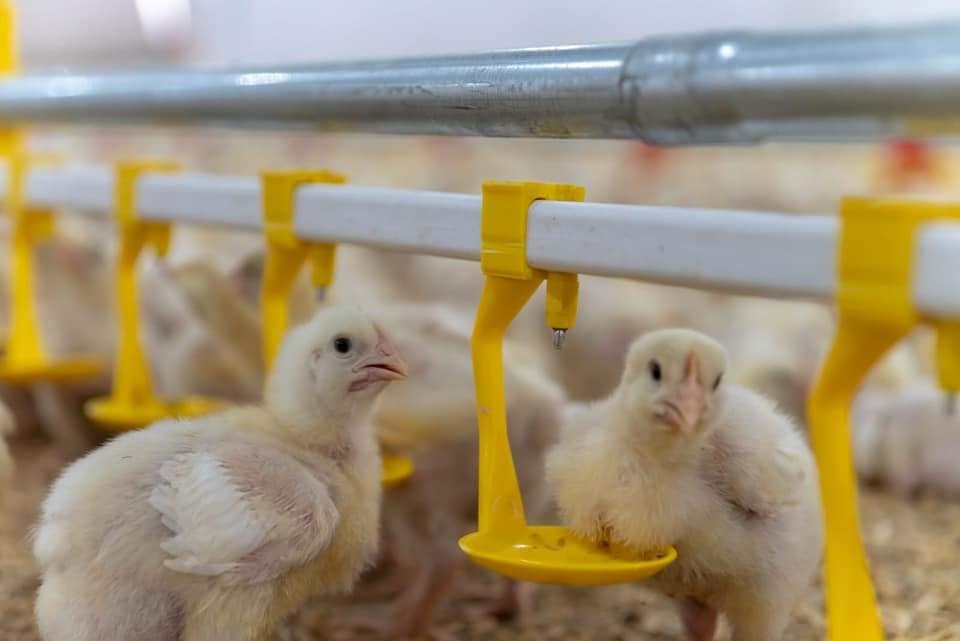
If you are looking for quality poultry equipment visit PHOENIX - they will cater to all your poultry farming needs.
For more agricultural products visit our directory.
 Cangzhou Phoenix Breeding Equipment Co., Ltd is a professional manufacturer and exporter that is concerned with the design, development and production of livestock breeding equipment. which can provide all kinds of poultry farm equipment, such as automatic feeding and drinking line, poultry nipple drinker, rabbit nipple drinker, poultry feeder, poultry drinkier, ventilation fan. Cooling pad , egg incubator,pvc pipe ,ss pipe etc. Check out our site to find the latest in poultry equipment. We hope you’ll fine the right products for you,, and how it allows you to scale up to the next level when you’re ready.
Whatsapp/Wechat:+86 18233772617
Email:linda@goldphoenixa.com